

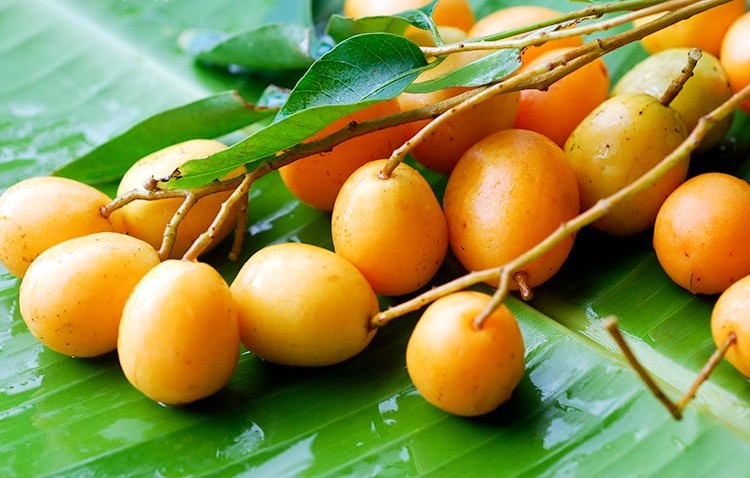
As early as English was spoken, it was observed that hogs (pigs) were the greatest fans of the sweet-sour pulp of yellow mombin and would often root around the tree for them, giving it the name, “Hog Plum.” Spondias mombin may not win any beauty contests, but don’t be fooled by its wrinkled skin, this humble tropical fruit tree has quietly served as food, medicine, and cultural symbol across West Africa and beyond. Traditionally valued for treating infections, digestive troubles, and wounds, it’s now gaining attention from scientists for its antioxidant, antimicrobial, and liver-protective compounds.
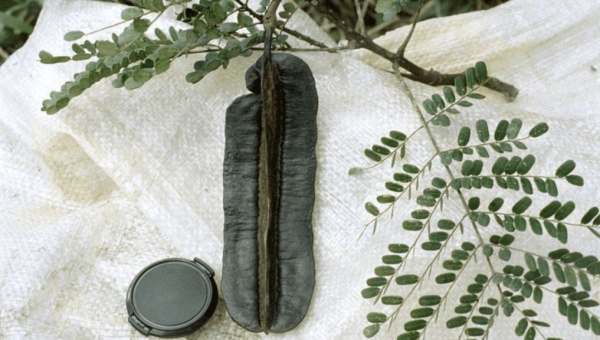
If you’ve never enjoyed soup, then you’ve probably not sat over a Ghanaian soup spiced with “Prekese.” Tetrapleura tetraptera, commonly called Aidan fruit, is a plant with both culinary and medicinal importance. Its aromatic fruits are used as a spice in soups and stews, but beyond flavour, they carry a long history of healing in traditional medicine.
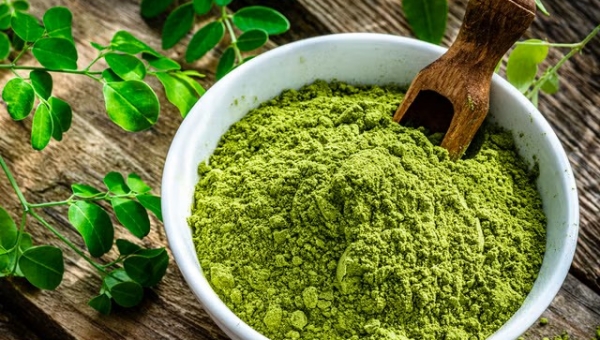
Moringa oleifera is one of the most widely used medicinal plants in Africa and Asia. During the colonial period in India, the British used Moringa pods in curries and nicknamed them “drumsticks”, a name still common today. Moringa has a long history of use as both food and medicine. Its leaves, seeds, pods, and roots are all valued for their healing potential.
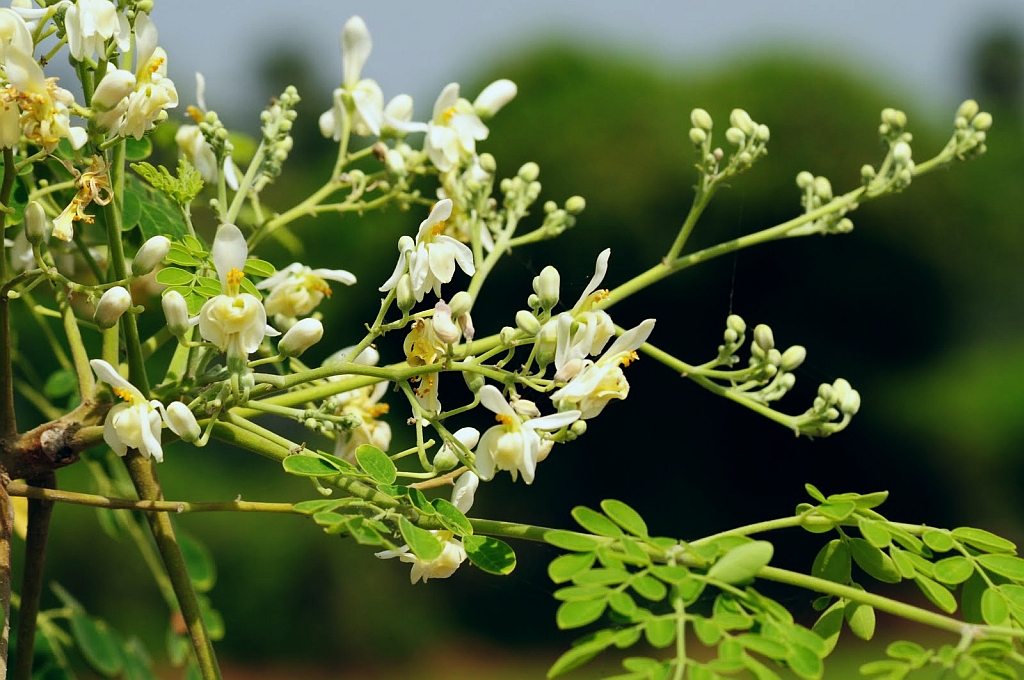
A native of northern India, the Moringa oleifera plant is also capable of flourishing in various tropical and subtropical regions, including Asia and Africa. The leaves, flowers, seeds, and roots of this plant have all long been utilized in folk medicine.
421 University Street,
Sowutuom, Accra Ghana
GPS: GC-005-3083.
Phone: +233 501 628 931
+233 24 6073 498
E-mail: info@dhi.com.gh
Website: www.dhi.com.gh